


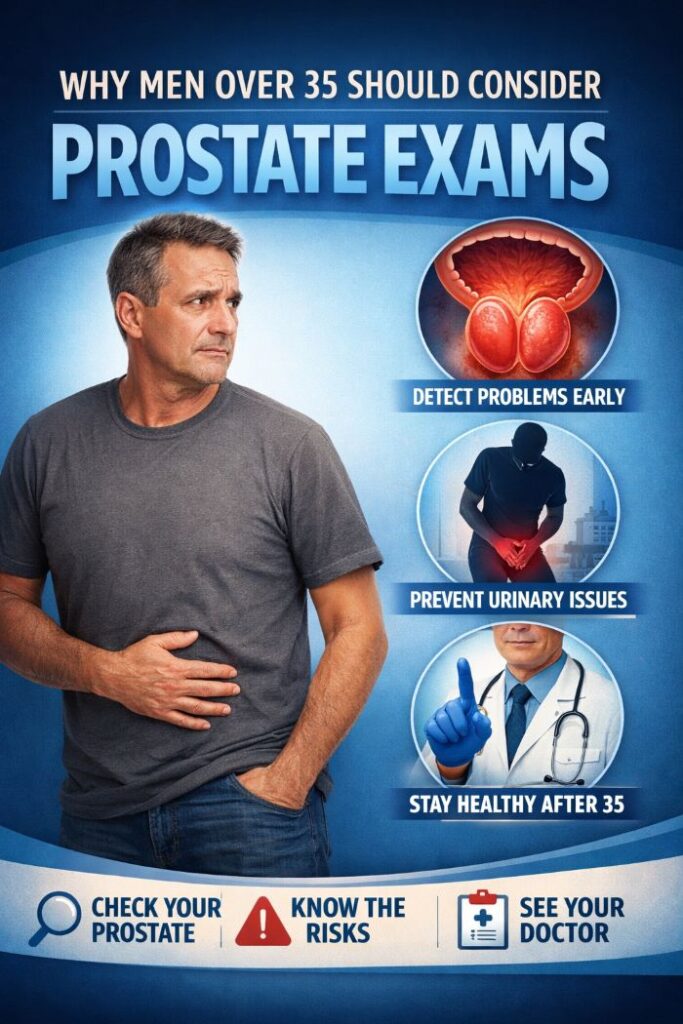
Men over 35 should make prostate health part of their regular medical care. Prostate exams can detect early signs of issues such as swelling, abnormal texture, or tenderness—often before symptoms become serious.
Although many men feel uneasy about the exam, it is typically quick and only mildly uncomfortable. Despite the stigma, it remains one of the most effective tools for early detection of prostate-related conditions.
Doctors may also ask about ejaculation frequency, as it can affect prostate size and firmness. This context helps them interpret exam results more accurately.
BPE, Prostatitis, and Ejaculation Frequency
Benign Prostatic Enlargement (BPE) becomes more common with age and may cause urinary symptoms such as reduced flow or discomfort. While aging is a key factor, other influences may also play a role.
Infrequent ejaculation can sometimes lead to temporary prostate congestion, creating a feeling of pressure or heaviness. In some cases, this may contribute to irritation or inflammation.
Prostatitis, or inflammation of the prostate, can be painful and may resemble more serious conditions. Because of this overlap, proper medical evaluation is important when symptoms appear.
Some medical perspectives suggest that prolonged congestion may contribute to prostate discomfort over time. While this does not mean abstinence causes serious disease, it reinforces the importance of moderation and regular checkups.
When Abstinence Becomes a Health Risk
In rare cases, individuals avoid ejaculation for extended periods due to psychological or behavioral factors. These situations highlight the potential risks of extreme or prolonged suppression.
Reported cases show that long-term avoidance can lead to significant inflammation, including conditions affecting the prostate and nearby structures such as the seminal vesicles or epididymis. These complications may require medical treatment and can impact long-term function.
Key Takeaway
Long-term abstinence or orgasm denial is not inherently harmful for most healthy individuals, but extremes can increase the risk of discomfort or inflammation. The safest approach includes:
- Paying attention to physical symptoms
- Allowing flexibility in long-term practices
- Maintaining regular medical checkups
If pain or persistent discomfort occurs, it’s important to stop and seek medical advice.
Why Men Over 35 Should Consider Prostate Exams
Men over 35 should make prostate health part of their regular medical care. Prostate exams can detect early signs of issues such as swelling, abnormal texture, or tenderness—often before symptoms become serious.
Although many men feel uneasy about the exam, it is typically quick and only mildly uncomfortable. Despite the stigma, it remains one of the most effective tools for early detection of prostate-related conditions.
Doctors may also ask about ejaculation frequency, as it can affect prostate size and firmness. This context helps them interpret exam results more accurately.
BPE, Prostatitis, and Ejaculation Frequency
Benign Prostatic Enlargement (BPE) becomes more common with age and may cause urinary symptoms such as reduced flow or discomfort. While aging is a key factor, other influences may also play a role.
Infrequent ejaculation can sometimes lead to temporary prostate congestion, creating a feeling of pressure or heaviness. In some cases, this may contribute to irritation or inflammation.
Prostatitis, or inflammation of the prostate, can be painful and may resemble more serious conditions. Because of this overlap, proper medical evaluation is important when symptoms appear.
Some medical perspectives suggest that prolonged congestion may contribute to prostate discomfort over time. While this does not mean abstinence causes serious disease, it reinforces the importance of moderation and regular checkups.
When Abstinence Becomes a Health Risk
In rare cases, individuals avoid ejaculation for extended periods due to psychological or behavioral factors. These situations highlight the potential risks of extreme or prolonged suppression.
Reported cases show that long-term avoidance can lead to significant inflammation, including conditions affecting the prostate and nearby structures such as the seminal vesicles or epididymis. These complications may require medical treatment and can impact long-term function.
Key Takeaway
Long-term abstinence or orgasm denial is not inherently harmful for most healthy individuals, but extremes can increase the risk of discomfort or inflammation. The safest approach includes:
- Paying attention to physical symptoms
- Allowing flexibility in long-term practices
- Maintaining regular medical checkups
If pain or persistent discomfort occurs, it’s important to stop and seek medical advice.